
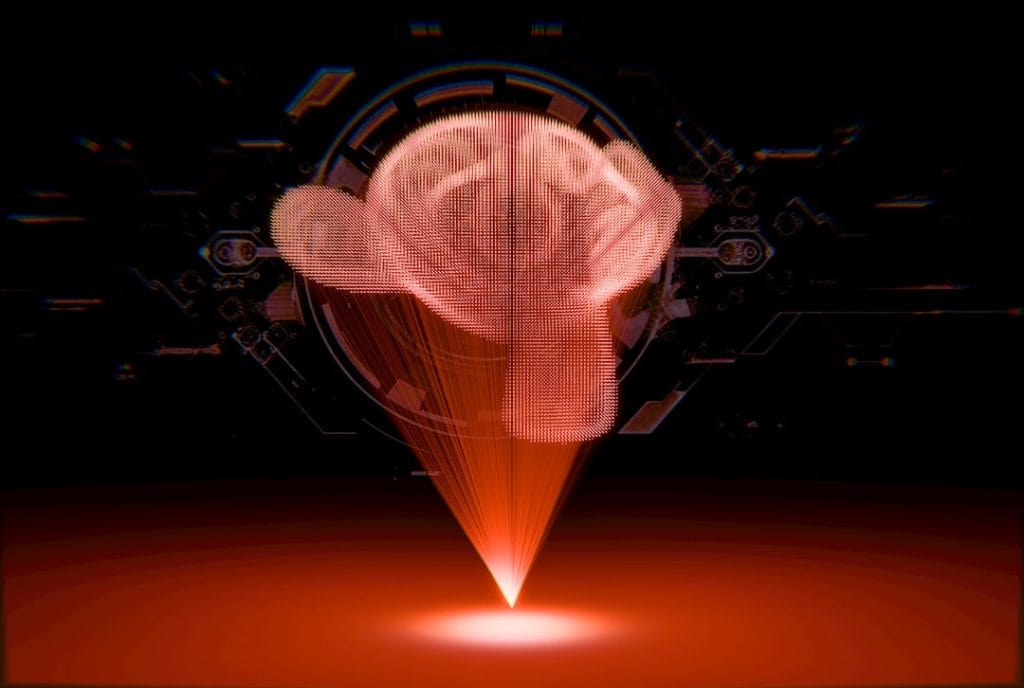
The New Era of Accelerated Discovery
As we move into 2025, the narrative surrounding artificial intelligence has shifted from generative chatbots to a fundamental engine of scientific progress. While previous years focused on large language models and creative automation, 2025 is emerging as the year of the ‘AI-fueled breakthrough,’ where computational power is being leveraged to solve some of humanity’s most complex physical challenges.
Proteomics and the Biological Renaissance
Building on the foundations laid by AlphaFold, AI is now moving beyond simple protein structure prediction. In 2025, researchers are utilizing advanced models to design entirely new proteins from scratch—a process known as de novo design. This capability is drastically reducing the timeline for drug discovery, allowing for the development of targeted therapies for diseases once considered untreatable. By simulating biological interactions at the molecular level, AI is effectively turning drug development from a process of trial and error into a high-precision engineering discipline.
Materials Science and the Green Transition
The push for sustainable energy is receiving a significant boost from AI-driven materials science. AI models are now capable of scanning millions of hypothetical chemical combinations to identify candidate materials for next-generation batteries, efficient carbon capture, and superconductivity. What used to take decades in a physical laboratory is now being narrowed down in weeks through high-fidelity simulations, enabling a faster transition to a low-carbon economy.
From Theory to Application: The Lab of the Future
2025 also marks the rise of ‘self-driving labs’—facilities where AI doesn’t just suggest experiments but actively orchestrates them using robotics. These closed-loop systems analyze data in real-time, adjust variables, and conduct follow-up experiments without human intervention. This synergy between hardware and intelligence is exponentially increasing the throughput of scientific research, paving the way for innovations in electronics, agriculture, and aerospace.
Conclusion
The integration of AI into the scientific method represents a paradigm shift. We are no longer limited by the speed of human observation or the constraints of manual experimentation. As AI continues to decode the complexities of the natural world, 2025 stands as a pivotal milestone in a new age of enlightenment, where the boundaries of what is scientifically possible are being redrawn every day.