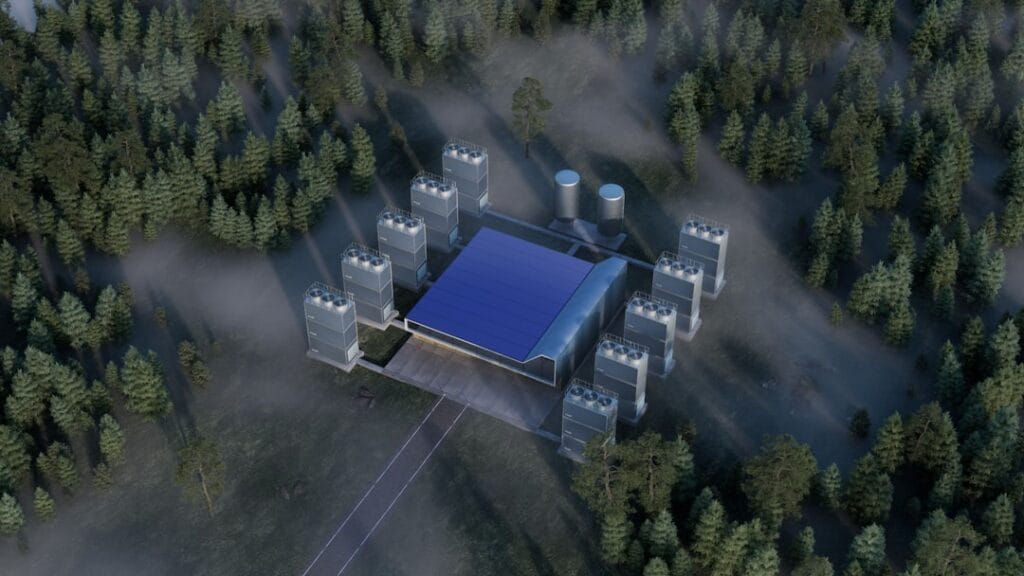
The rapid proliferation of generative artificial intelligence is driving a fundamental transformation in global infrastructure. As hyperscalers like Microsoft, Amazon, Google, and Meta race to deploy massive GPU clusters, the industry is moving beyond traditional data center models toward ‘gigawatt-scale’ campuses. This shift represents a move from facilities that consume tens of megawatts to singular sites requiring power equivalent to that of medium-sized cities.
Historically, data center development was concentrated in established hubs like Northern Virginia. However, the sheer scale of AI training requirements has exhausted local power grids and land availability in these regions. Consequently, technology giants are venturing into remote territories, seeking out underutilized land and proximity to high-capacity energy sources. This geographical expansion is necessitated by the intensive compute power required for Large Language Models (LLMs), which demand constant, high-density energy far exceeding the needs of standard cloud applications.
The energy crisis posed by AI expansion has reignited interest in nuclear power as a baseline energy source. Recent industry milestones, such as Microsoft’s agreement with Constellation Energy to restart a reactor at Three Mile Island, underscore a strategic pivot toward carbon-free, 24/7 energy. Furthermore, companies are increasingly exploring Small Modular Reactors (SMRs) and next-generation geothermal technology to mitigate the instability of renewable sources like wind and solar, which cannot yet sustain the ‘always-on’ nature of AI workloads.
Beyond power, the physical engineering of these centers is evolving. Advanced liquid cooling systems are replacing traditional air cooling to manage the immense heat generated by high-performance hardware. This infrastructure evolution is not merely a logistical challenge but a financial one; capital expenditures for these projects are reaching hundreds of billions of dollars, reflecting a high-stakes bet that AI will remain the primary driver of global economic growth.
As the industry pushes toward the sky—and beyond—the bottleneck for AI progress has shifted from software optimization to the physical realities of the power grid. The coming decade will be defined by how effectively tech leaders can balance the insatiable demand for compute with environmental sustainability and grid stability.