
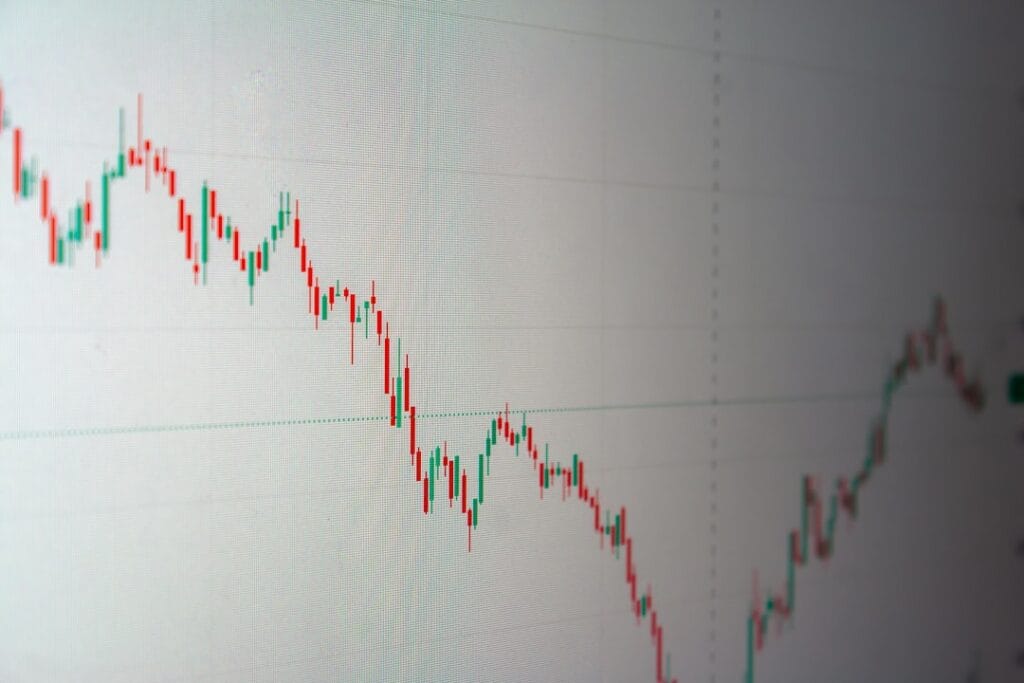
The digital asset market is currently navigating a period of heightened volatility, with leading assets Bitcoin (BTC) and XRP experiencing notable price pullbacks. While retail sentiment often veers toward anxiety during such corrections, a professional analysis suggests that these movements are consistent with broader macroeconomic trends and historical market cycles rather than a fundamental shift in technology or utility.
Bitcoin, often viewed as the primary bellwether for the digital asset sector, has faced downward pressure due to shifting expectations regarding federal interest rates and a cooling of the initial fervor surrounding spot Bitcoin ETFs. Despite the price dip, the network’s fundamental strength remains robust. On-chain metrics indicate that long-term holders continue to maintain their positions, and the network’s hash rate remains near record highs, underscoring continued institutional trust in the protocol’s security and scarcity.
Similarly, XRP has seen a downward trend, though its trajectory is more closely tied to the evolving regulatory landscape in the United States. Following the significant legal milestones in the Ripple vs. SEC case, the asset has entered a phase of price consolidation. For XRP, the long-term outlook depends heavily on the continued adoption of the XRP Ledger (XRPL) for institutional cross-border settlements and the finality of its legal status, which provides a level of clarity that many other altcoins currently lack.
For institutional and strategic investors, the question of whether to be ‘worried’ is typically replaced by an assessment of risk-adjusted returns and entry points. Price corrections are a standard feature of the cryptocurrency market’s price discovery mechanism. Rather than a sign of fundamental failure, these periods often represent a recalibration of market value, stripping away speculative excess. As the industry moves toward more mature regulatory frameworks and deeper technological integration, short-term fluctuations should be viewed through the lens of long-term asset utility and network growth.