The Great Mobile Divide: Understanding the Ecosystems
The choice between Android and iOS remains the most significant decision a consumer faces in the mobile market. While the functional gap between these two operating systems has narrowed over the last decade, their underlying philosophies remain distinct, catering to different user priorities regarding customization, security, and hardware integration.
Hardware Diversity and Customization
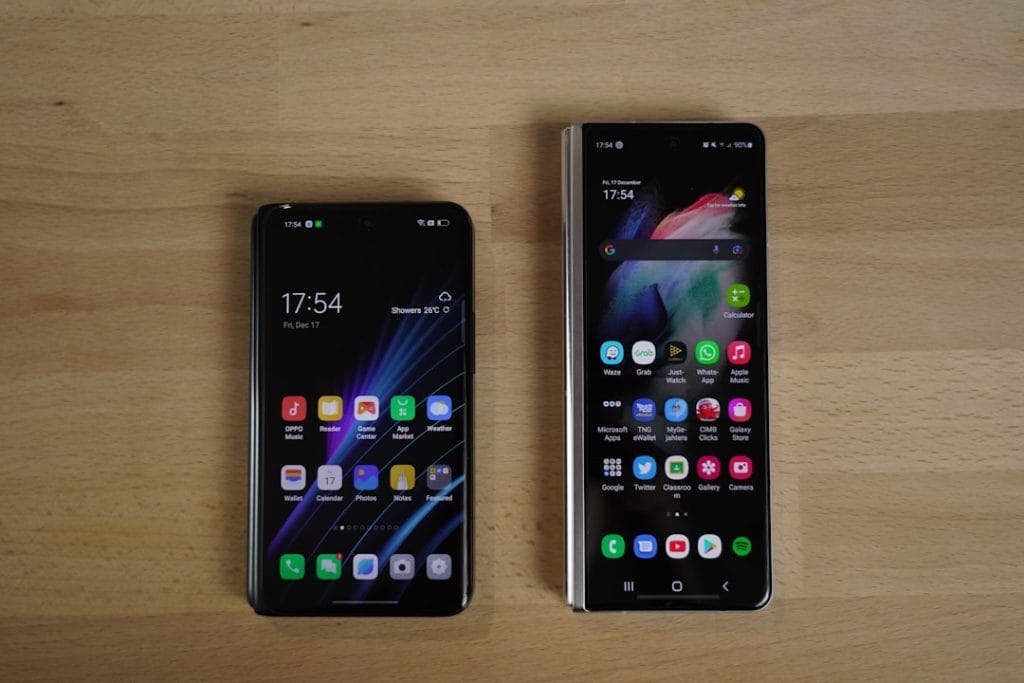
Android’s primary advantage lies in its vast hardware ecosystem. From budget-friendly entry-level devices to high-end foldables like the Samsung Galaxy Z Fold series, Android offers a device for every price point and form factor. Furthermore, Android excels in system-level customization. Users can change default apps, install custom launchers, and manage files with a level of transparency that iOS has historically restricted.
Conversely, Apple maintains a closed hardware loop. While this limits variety, it ensures that every iPhone delivers a consistent, premium experience with hardware and software optimized in tandem. For users who prefer a “it just works” approach, the simplicity of iOS remains a significant draw.
The Walled Garden vs. Open Integration
Apple’s Ecosystem is often cited as its strongest retention tool. Features like iMessage, AirDrop, and seamless integration with macOS and Apple Watch create a cohesive user experience that is difficult to replicate. However, this “walled garden” can make switching to another platform difficult and costly.
Android, powered by Google, focuses on cross-platform flexibility. Its integration with Google Workspace, Photos, and Assistant is unparalleled for those who rely on cloud-based productivity. Additionally, Android allows for sideloading apps and utilizing third-party app stores, providing a level of freedom that appeals to power users and developers.
Security, Privacy, and Software Longevity
Historically, iOS has held the lead in security and software updates. Apple typically provides five to seven years of OS updates for its devices, ensuring high resale value and long-term security. The closed nature of the App Store also minimizes the risk of malware.
Android has made significant strides in this area. Google’s Pixel devices and Samsung’s flagship S-series now offer up to seven years of guaranteed updates. While the open nature of Android introduces more variables, features like Google Play Protect and sandboxed environments have brought its security standards largely in line with those of iOS.
The Verdict: Which Should You Choose?
The decision ultimately hinges on personal priorities:
- Choose Android if: You value hardware variety, desire deep customization, and prefer a flexible file management system.
- Choose iOS if: You prioritize long-term software support, value a tightly integrated ecosystem of devices, and prefer a curated, streamlined user interface.
Check This Out!
Looking for the latest tech and gadget deals mentioned in this article? Explore the best offers currently available on Amazon.
Disclosure: As an Amazon Associate, hariannegeri.xyz earns from qualifying purchases.