
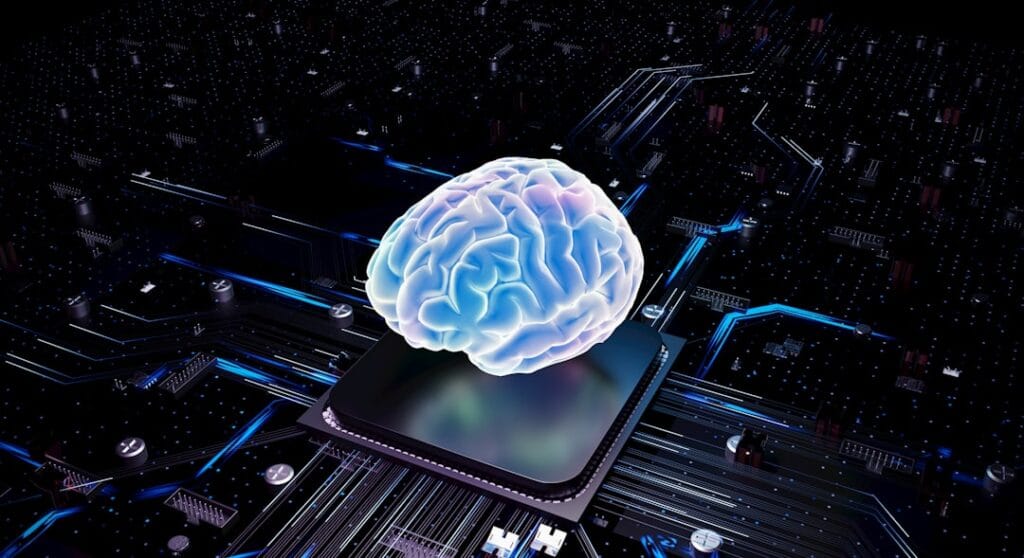
The Convergence of Artificial Intelligence and Behavioral Health
As the global demand for mental health services continues to outpace the availability of licensed professionals, a new technological frontier is emerging: generative artificial intelligence. Recent trends indicate an increasing number of individuals are turning to AI-driven chatbots and Large Language Models (LLMs) to manage anxiety, depression, and daily stressors.
The Drivers Behind AI Adoption
Several key factors are propelling the shift toward digital mental health interventions:
- 24/7 Accessibility: Unlike traditional therapy, which requires scheduling and adherence to office hours, AI is available instantaneously at any time of day or night.
- Cost Efficiency: With the high cost of private practice sessions, AI offers a low-cost or even free alternative for those without comprehensive insurance coverage.
- Anonymity and Reduced Stigma: Many users find it easier to disclose sensitive information to a non-judgmental algorithm than to a human practitioner.
Technological Capabilities and Limitations
Modern LLMs are trained on vast datasets, allowing them to simulate empathetic conversation and provide evidence-based coping mechanisms, such as Cognitive Behavioral Therapy (CBT) techniques. However, the technology is not without significant risks. Industry experts warn that AI lacks true emotional intelligence and cannot navigate complex crises or suicidal ideation with the nuance required by clinical standards.
Privacy and Ethical Considerations
The integration of AI into the mental health sphere raises critical questions regarding data privacy and HIPAA compliance. As users share deeply personal information with these platforms, the security of that data and the potential for algorithmic bias remain top concerns for tech regulators and healthcare advocates alike.
The Future: A Hybrid Model
The consensus among health-tech leaders is not that AI will replace therapists, but rather serve as a supplemental tool. By handling low-acuity cases and providing immediate support between sessions, AI can alleviate the burden on the healthcare system, allowing human professionals to focus on complex clinical diagnoses.