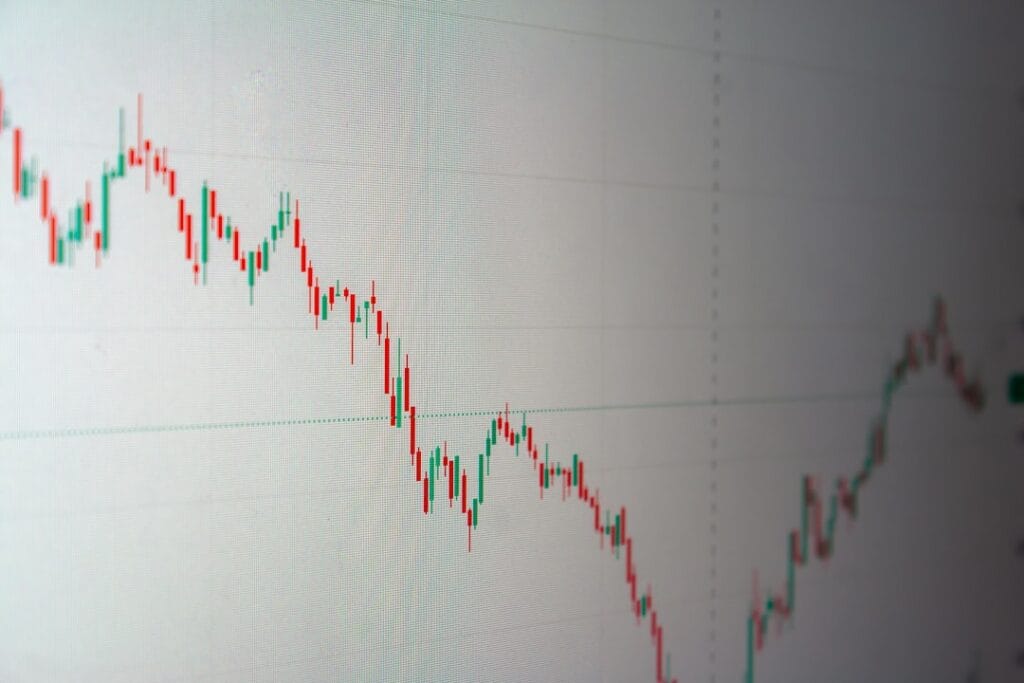
As the fiscal year draws to a close, the digital asset market has entered a period of relative stabilization, with benchmark assets like Bitcoin (BTC) and Ethereum (ETH) exhibiting range-bound behavior. This phase of market ‘drifting’ suggests a temporary equilibrium as institutional and retail participants recalibrate their portfolios in preparation for the upcoming quarter.
Bitcoin continues to navigate a narrow trading corridor, maintaining firm support levels while encountering persistent resistance on the upside. Similarly, Ethereum’s price action has mirrored this trend, showing consistent stability despite a lack of immediate catalysts for a bullish breakout. This reduction in volatility is characteristic of late-December trading cycles, where lower liquidity and year-end rebalancing often take precedence over aggressive price discovery.
From a technical perspective, the current range-bound environment serves as a critical consolidation phase. While price action remains largely horizontal, underlying metrics indicate a period of healthy accumulation and a cooling of speculative fervor. Analysts are closely monitoring macroeconomic indicators and potential shifts in monetary policy as we transition into the new year, both of which are expected to serve as primary drivers for the next volatility cycle.
Ultimately, the year-end drift provides a moment of introspection for the blockchain industry. As the market moves away from the high-velocity fluctuations seen earlier in the year, the focus shifts toward long-term sustainability and the technological milestones anticipated in the coming months. For now, the cryptocurrency sector remains in a strategic holding pattern, awaiting the next fundamental trigger to break the current deadlock.