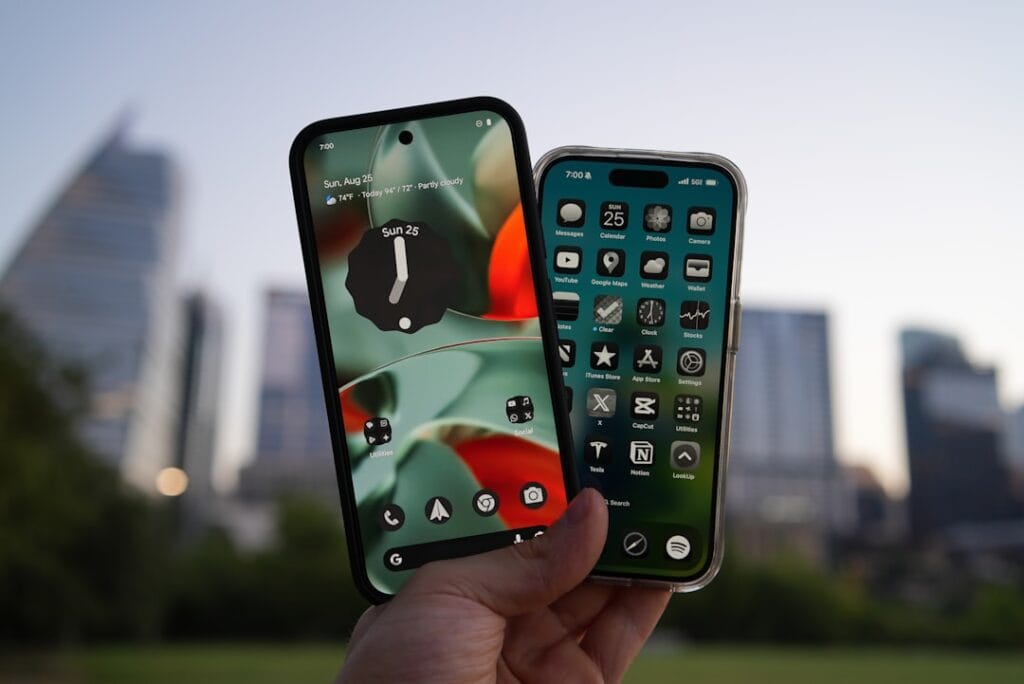
The perennial debate between Android and iOS remains the central narrative of the mobile technology sector. As both platforms have matured, the gap in core functionality has narrowed, yet fundamental differences in philosophy, hardware integration, and ecosystem management continue to define the user experience. This analysis examines the current state of both operating systems to determine which platform leads in key performance indicators.
### Hardware Diversity vs. Vertical Integration
The most immediate distinction lies in hardware deployment. Apple’s iOS is a closed system, designed exclusively for the iPhone. This vertical integration allows for peerless optimization between software and silicon, resulting in high efficiency and consistent performance across the product line. In contrast, Google’s Android serves as a versatile foundation for a vast array of manufacturers, including Samsung, Google, and Motorola. This diversity offers consumers a spectrum of form factors—from ultra-budget handsets to cutting-edge foldables—that Apple has yet to match.
### Customization and User Agency
Historically, Android has been the platform of choice for enthusiasts seeking granular control. Its open architecture supports third-party launchers, side-loading applications, and deep file-system access. While Apple has recently introduced greater flexibility in iOS—such as customizable lock screens and home screen widgets—it remains a highly curated ‘walled garden.’ For users who prioritize a bespoke interface and software freedom, Android remains the superior choice; for those who prefer a streamlined, ‘it just works’ experience, iOS is the industry standard.
### Ecosystem and Interoperability
The strength of an operating system is increasingly measured by its peripheral ecosystem. Apple’s ‘continuity’ features provide a seamless transition between iPhone, Mac, iPad, and Apple Watch, creating a cohesive digital environment that is difficult to leave once adopted. Google has made significant strides in closing this gap through its ‘Better Together’ initiative, improving synergy between Android devices, Chromebooks, and Wear OS wearables. However, Apple’s ecosystem remains more tightly coupled, offering a more frictionless multi-device workflow.
### Software Longevity and Security
Apple has long held the advantage in software support lifecycles, often providing updates to devices for six years or more. However, the landscape is shifting. Google and Samsung have recently pledged up to seven years of OS and security updates for their flagship devices, effectively neutralizing Apple’s lead in longevity. From a security perspective, iOS benefits from a closed-source model that limits malware exposure, while Android’s security model relies on rapid patching and the robust Google Play Protect system to manage its more open environment.
### Final Verdict
The choice between Android and iOS no longer hinges on which platform is ‘better’ in an absolute sense, but rather on which set of trade-offs a user prefers. iOS offers unmatched polish, premium hardware integration, and a high-security ecosystem. Android offers unparalleled choice, hardware innovation, and the freedom to define the user experience. As both platforms continue to iterate, the decision ultimately rests on whether a user values the curated stability of Apple or the versatile openness of the Android ecosystem.